
- What Are Pests Costing Your Business?
- Rodents in Commercial Spaces: Health Risks and Property Damage
- Cockroaches in the Workplace: How They Enter and Why They’re Dangerous
- Commercial Property Pest Control for Landlords and Property Managers
- Food Processing and Pharmaceutical Pest Control
- Frequently Asked Questions About Commercial Pest Control
- Why Professional Pest Control Is Essential for Your Business
What Are Pests Costing Your Business?

When most people think of pest problems, they picture homes with ants in the kitchen or mice in the garage. However, commercial pest control presents entirely different challenges that directly impact your bottom line, reputation, and legal standing.
Commercial pest infestations cost businesses thousands of dollars annually in damages, lost inventory, failed health inspections, and emergency remediation. Beyond direct financial losses, pest problems lead to temporary or permanent closure, employee health issues, customer complaints, negative online reviews, and lawsuits related to health code violations.
Why Commercial Properties Are More Vulnerable
Commercial buildings face unique challenges that residential properties don’t encounter. Multiple entry points from doors, loading docks, and windows create constant pest access opportunities. High-traffic areas mean doors are frequently opened during deliveries, employee movement, and customer visits. Break rooms, cafeterias, and waste areas provide ample food sources. HVAC systems and utility chases create hidden highways for pests to travel between floors and tenant spaces.
Many commercial properties operate 24/7, making comprehensive inspections difficult. Warehouses, storage areas, and basements may receive limited attention, allowing pest populations to establish undetected.
Unlike residential properties, where owners notice problems quickly, commercial spaces may harbor pests for months before they are discovered.
Rodents in Commercial Spaces: Health Risks and Property Damage
Rodent infestations are among the most serious pest threats businesses face. Rats and mice pose significant health risks, cause extensive property damage, and can shut down operations entirely if discovered during health inspections.
The Risks of Rodents in Commercial Spaces
Here are the primary ways in which a rodent infestation can threaten your commercial business.
Health Hazards and Disease Transmission
Rodents carry over 35 diseases transmissible to humans through direct contact, droppings, urine, or saliva—including salmonellosis, leptospirosis, hantavirus, and lymphocytic choriomeningitis. They can multiply quickly and even spread fleas in densely populated areas. Rodent droppings and urine create air quality issues, triggering allergies and asthma in sensitive individuals.
Property Damage and Fire Hazards
Rodents’ teeth grow continuously, forcing them to gnaw constantly. This causes extensive property damage in commercial settings. Rodents chew through electrical wiring, creating serious fire hazards—industry estimates suggest rodents are responsible for approximately 25% of unexplained fires in commercial buildings. They also destroy insulation, compromise HVAC systems, damage stored inventory, contaminate products, chew through packaging, and create entry points for other pests.
Additional Industry-Specific Risks
In food service and processing facilities, rodent contamination can lead to immediate closure and massive product recalls. Restaurants risk immediate health department closure. Warehouses with stored goods provide ideal nesting materials.
Office buildings with server rooms are at risk of equipment damage. Retail stores risk product contamination and customer complaints. Healthcare facilities face infection control issues and patient safety concerns.
How to Detect and Prevent a Rodent Infestation in Your Business
The early signs of rodents include droppings (rice-sized for mice, larger for rats), gnaw marks on wires and materials, greasy rub marks along walls, nests made from shredded materials, scratching sounds in walls at night, and unusual musky odors in enclosed spaces.
For prevention, implement strict sanitation protocols, seal all visible structural entry points, and schedule regular professional inspections to significantly reduce the risk of a rodent infestation.
Cockroaches in the Workplace: How They Enter and Why They’re Dangerous
Cockroaches rank among the most persistent pests in commercial environments. These resilient insects establish large populations quickly, making them particularly challenging to eliminate once established.
How Cockroaches Enter Commercial Buildings
Understanding cockroach entry points is essential for prevention:
- Employee and customer introduction. Cockroaches hitchhike inside personal belongings—purses, backpacks, gym bags, and lunch containers. Employees may unknowingly transport them from infested homes or public transportation.
- Delivery and shipping. Incoming deliveries are a primary vector for cockroach entry. Cardboard boxes from suppliers, particularly from warehouses or distribution centers, often harbor cockroaches and egg cases. Food deliveries, office supplies, equipment, and furniture shipments all pose risks. Best practices include inspecting deliveries before bringing them inside and immediately disposing of cardboard packaging.
- Migration from adjacent spaces. In multi-tenant buildings such as strip malls, office complexes, and apartment buildings, cockroaches can migrate between units through shared walls, plumbing chases, electrical conduits, HVAC systems, and ceiling voids. If one tenant has poor sanitation, adjacent businesses inevitably face infestation regardless of their own cleanliness.
- Structural entry points. Cockroaches exploit gaps around doors and windows, cracks in foundations, openings around utility penetrations, gaps under loading dock doors, and damaged weatherstripping.
The Health Risks and Business Impact of Cockroaches
Cockroaches carry bacteria, pathogens, and parasites, including Salmonella, E. coli, and Staphylococcus. Cockroach allergens trigger asthma attacks and allergic reactions, particularly problematic in healthcare, childcare, and educational facilities.
For customer-facing businesses, visible cockroaches create immediate reputation damage through negative reviews and social media complaints. In regulated industries, cockroach infestations lead to failed inspections, fines, and potential closure.
How to Prevent a Cockroach Infestation on Your Property
Effective cockroach control requires implementing strict delivery inspection protocols, establishing employee awareness programs, sealing structural entry points, maintaining excellent sanitation (especially in break rooms), eliminating moisture issues, storing food in sealed containers, and scheduling regular professional inspections.
Commercial Property Pest Control for Landlords and Property Managers
Property managers and commercial landlords managing strip malls, office buildings, apartment complexes, or mixed-use properties face unique pest control responsibilities affecting tenant satisfaction, property values, and legal liability.
Why Proactive Pest Management Is Essential for Your Business
Reactive pest control—addressing problems only after the fact—creates numerous issues. By the time tenants report problems, infestations have typically spread to multiple units. Emergency pest treatments cost significantly more than preventive maintenance. Tenant turnover increases when pest issues aren’t promptly addressed, and property reputation suffers.
Proactive pest management programs identify and address vulnerabilities before infestations occur. Regular inspections detect early warning signs, scheduled treatments maintain pest-free environments, and documented service records demonstrate due diligence for liability protection.
Food Processing and Pharmaceutical Pest Control: Meeting Regulatory Standards

No industries face more stringent pest control requirements than food processing and pharmaceutical manufacturing. In these highly regulated environments, pest control is a critical component of product safety, regulatory compliance, and brand protection.
Food processing facilities and pharmaceutical manufacturers operate under intense scrutiny from the FDA, USDA, AIB International, SQF certification, and BRC Global Standards.
Why Specialized, Integrated Pest Management Is Required
Failure to meet regulatory standards results in failed audits, production shutdowns, product recalls, regulatory fines, loss of certifications, and brand damage. Unfortunately, without pest control experts to guide their way, many businesses rely on reactive, unreliable or ineffective methods, resulting in preventable contamination.
At Ace Walco Termite and Pest Control, we recommend an integrated pest management approach, or IPM, which prioritizes prevention over reactive treatments.
The principles of IPM include:
- Exclusion and prevention. Air curtains and self-closing doors at all entries; screening windows and ventilation openings; sealing all cracks and penetrations; maintaining positive air pressure in critical areas; implementing strict incoming material inspection protocols; and establishing vegetation-free perimeters.
- Monitoring and detection. Insect light traps, rodent monitoring stations (non-toxic in production areas), pheromone traps for stored product pests, glue boards in strategic locations, and regular visual inspections provide early warning systems.
- Sanitation and cultural controls. Immediate cleanup of spills, proper waste management, elimination of standing water, adherence to proper food storage protocols, and regular deep cleaning of equipment and facilities.
- Targeted treatments. Treatments during non-production hours when possible, using only approved products, focusing on exterior perimeters and non-production areas, employing non-chemical controls wherever possible, and documenting all applications.
Following these principles set any business up for success, even those with stricter regulations and requirements, like food production and pharmaceuticals.
Frequently Asked Questions About Commercial Pest Control
Why Professional Pest Control Is Essential for Your Business
DIY pest control rarely provides lasting solutions for commercial properties. Professional pest management protects your business investment, ensures regulatory compliance, maintains your reputation, and provides peace of mind.
Expertise and Comprehensive Pest Control Solutions
At Ace Walco Termite and Pest Control, we specialize in commercial pest management solutions that go beyond basic treatment. Our comprehensive services include:
- Routine inspections and monitoring to detect issues early
- Targeted treatments tailored to your industry and specific challenges
- Integrated Pest Management strategies provide long-term solutions
- Detailed reporting for compliance audits and documentation
- Emergency response for urgent infestations
- Staff training to support pest prevention efforts
To top it all off, our customized service plans are designed around your operational schedule, with the goal of protecting the investments you put into your business every day.
Let Industry Experts Protect Your Business Today
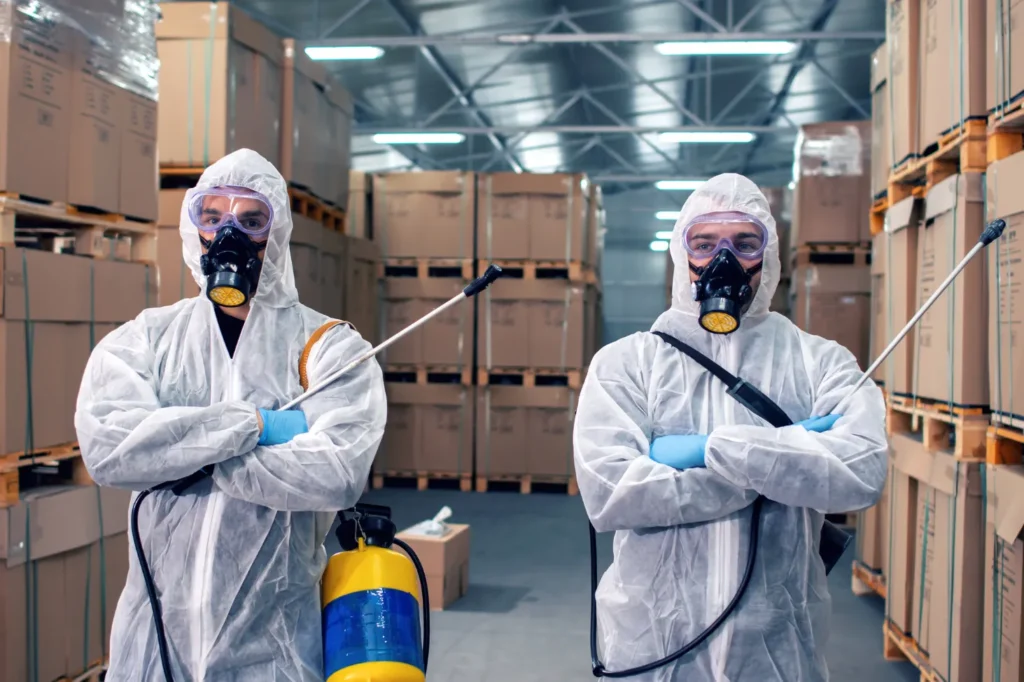
Don’t wait until pests impact your operations, reputation, or bottom line. Proactive pest management is always more effective and less expensive than reactive emergency treatments.
We provide tailored programs for restaurants and food service, retail and shopping centers, office buildings and corporate campuses, warehouses and distribution centers, healthcare facilities, hospitality and hotels, food processing and pharmaceutical facilities, and property management companies serving multi-tenant buildings.
Contact Ace Walco today to schedule a comprehensive commercial property inspection. Our experienced technicians will assess your facility, identify potential pest risks, and develop a customized pest management program that keeps your business pest-free year-round.
