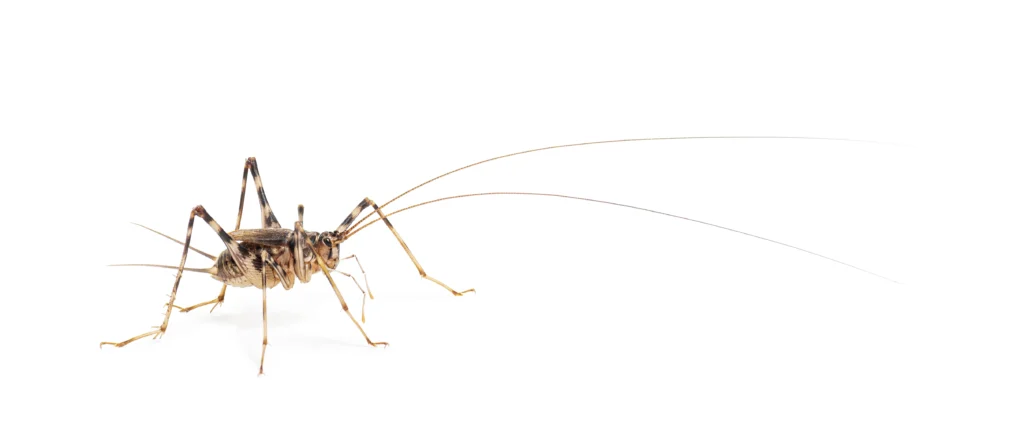
cave cricket extermination by Ace Walco Pest Control
  • Clients:

    Commercial, Residential

  • Category:

    Stinging & Biting

  • Services:

    ExclusionTreatments

  • Social NetWork:

Cave Cricket Extermination

Cave Cricket Extermination in New Jersey

Cave crickets—also known as camel crickets—are unsettling pests that often invade basements, garages, sheds, and crawlspaces. These crickets are drawn to dark, damp, and humid environments, making lower levels of your home an ideal habitat. While they don’t bite or transmit disease, their sudden jumps and creepy appearance can make them unwelcome guests.

Adult cave crickets can reach up to 2–3 inches in width, and are known for their long, spider-like legs and hunched appearance. When disturbed, they leap without direction, often startling homeowners.

Why Cave Crickets Invade Homes

Cave crickets typically live outdoors under rocks, logs, and leaf piles. However, when conditions become too dry or cold, they migrate inside in search of moisture and shelter. Basements, sheds, and garages provide perfect conditions for them to thrive.

For homeowners dealing with recurring moisture-related pest activity, residential pest control can provide broader protection against cave crickets and other pests that may enter the home.

Once inside, they’ll leave behind small black droppings and, if left untreated, spread upward into living areas, especially during the fall and winter months.

Signs of a Cave Cricket Infestation

  • Sudden sighting of large, jumping insects in basements or garages
  • Small black droppings on floors or walls in damp areas
  • Damage to fabrics, cardboard, or paper products (crickets may nibble on organic materials)
  • Unusual chirping or rustling noises at night
pest control for cave crickets

Ace Walco’s Cave Cricket Control Procedures

  1. Comprehensive Inspection and Identification

    We start with a detailed inspection of your basement, crawlspace, and other vulnerable areas to identify cave cricket activity, entry points, and moisture conditions. Proper identification ensures we target the issue at its source.

  2. Tailored Treatment Plan

    Based on the extent and location of the infestation, we develop a customized treatment plan that addresses both active crickets and the conditions attracting them. We also advise on structural or environmental changes that can discourage future infestations.

  3. Targeted Treatment Application

    Our licensed technicians use precision-targeted treatments, including residual insecticides, perimeter barriers, and mechanical exclusion to eliminate existing crickets and block their re-entry.

  4. Ongoing Follow-Up & Prevention

    We provide ongoing support to keep your home cricket-free, including follow-up inspections and expert moisture-control recommendations to reduce habitat suitability for future invasions.

Take Control Before They Spread

Cave crickets may start in your basement, but without action, they’ll move in upstairs. Ace Walco Pest Control uses proven control methods to help restore comfort and confidence in your home.

New Jersey Cave Cricket Extermination FAQs

Cave crickets, also called camel crickets or spider crickets, are generally not dangerous to people. These pests are not known for biting or stinging humans and are not considered significant disease transmitters. Long legs, arched backs, and sudden jumping can make them look intimidating, especially when one appears unexpectedly in a basement, crawlspace, or laundry room. Cave crickets may jump toward a person when startled, but this is an escape response rather than aggressive behavior.

Although cave crickets are mostly a nuisance, recurring activity can point to damp conditions that deserve attention. These pests may feed on organic material and can sometimes damage:

  • Paper
  • Cardboard
  • Fabrics
  • Other stored materials in moist areas

Ace Walco Pest Control focuses on identifying the pest, inspecting the affected areas, and determining whether treatment, moisture reduction, or entry-point correction is appropriate. If you are unsure whether the insect you found is a cave cricket or another pest, our team can help identify it during a free inspection.

Long-term cave cricket control works best when active crickets are treated, and the attractive conditions are corrected. No pest control company can responsibly promise that a cave cricket will never enter the property again. Outdoor populations, weather, moisture, and structural changes can all affect future activity. However, reducing humidity, sealing accessible entry points, and treating active hiding areas can significantly reduce recurring problems.

Cave crickets are commonly found in cool, dark areas such as basements, crawlspaces, garages, and storage rooms. Depending on the inspection, treatment may include targeted applications, exterior perimeter treatment, exclusion recommendations, and moisture-control steps. Homeowners can also help by:

  • Repairing leaks
  • Using a dehumidifier where appropriate
  • Improving drainage
  • Reducing clutter
  • Keeping cardboard off damp floors
  • Removing leaf litter or stored materials near exterior walls

For example, recurring cave cricket activity near a basement walkout may be connected to a gap beneath the door and damp debris outside. Treating the crickets without addressing those conditions may provide only temporary relief. Ace Walco uses customized treatment and prevention strategies rather than a one-size-fits-all approach to reduce current activity while making the property less attractive and accessible.

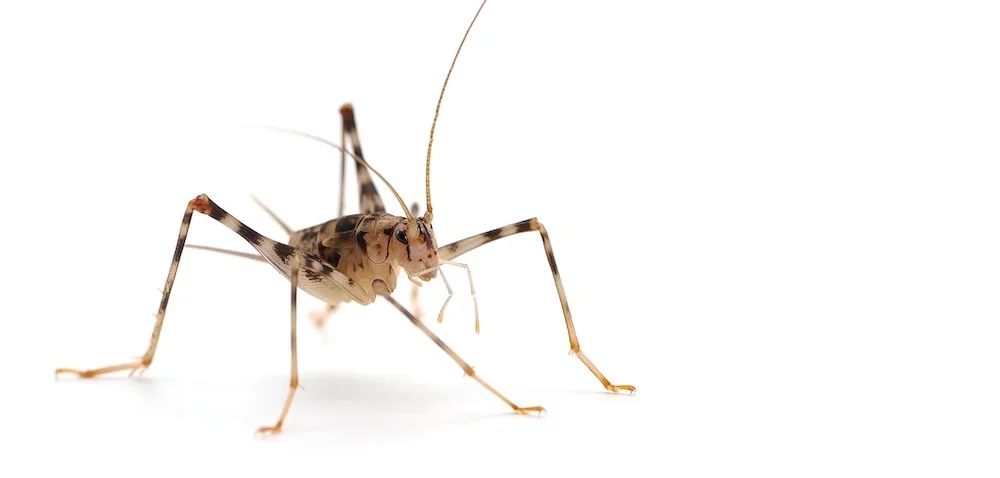
Spider crickets, another name for cave crickets, are mainly attracted to cool, dark, damp, and sheltered areas. Unlike many household pests, cave crickets are not primarily attracted indoors by kitchen crumbs or bright lights. They are typically drawn to:

  • Basements
  • Crawlspaces
  • Garages
  • Utility rooms
  • Unfinished storage areas

Conditions around the exterior of the home can also encourage activity. Exterior attractants and conditions pushing them indoors include:

  • Thick mulch, leaf piles, and dense vegetation
  • Firewood stored against the house
  • Gaps beneath doors, foundation cracks, vents, and utility penetrations
  • Seasonal weather changes, such as dry conditions, heavy rain, or cooler temperatures

During an inspection, Ace Walco looks at where crickets are appearing and whether moisture, clutter, exterior shelter, or structural openings are contributing. Recommendations may include dehumidification, better ventilation, reducing exterior harborage, sealing gaps, and targeted pest treatment. Ace Walco has served New Jersey properties since 1936, giving our team extensive experience with local pest activity and the conditions that contribute to recurring infestations.

Cave crickets can survive and reproduce indoors when conditions are favorable, but seeing several crickets does not automatically mean there is an established breeding population inside the house. Many cave crickets enter from outdoor habitats and remain in areas that provide darkness, shelter, and moisture. Damp crawlspaces and basements are much more suitable than dry, regularly occupied living spaces.

The pattern of activity can help determine what is happening. Key evaluation factors during professional inspections include:

  • Where the crickets are concentrated
  • How often these pests appear
  • Nearby moisture conditions
  • Possible entry points

Homeowners can make the property less hospitable by reducing humidity, repairing leaks, improving ventilation, reducing clutter, and maintaining weatherstripping around doors and other openings. Sticky monitoring traps can help identify where crickets are moving, but do not correct moisture problems or active entry routes. When activity keeps increasing or returning, a professional inspection can help determine what is sustaining the problem.

The cost of professional cave cricket extermination depends on the size and layout of the property, the extent of the infestation, and the treatment and prevention work needed. A small problem concentrated in one basement may require a different approach from recurring cave cricket activity throughout a large crawlspace, garage, and storage area.

Pricing can also be affected by whether the service requires:

  • Interior treatment
  • Exterior perimeter work
  • Exclusion recommendations
  • Recurring protection
  • Follow-up visits

Ace Walco provides free inspections and estimates so pricing can be based on the actual pest activity and property conditions rather than a generic package. Pest control costs vary by pest, property size, treatment type, and infestation severity.

During the inspection, the technician can identify the pest, locate active areas, evaluate moisture and entry conditions, and explain the recommended treatment. Ace Walco serves homes and businesses throughout Central and North Jersey and Staten Island. To get a property-specific recommendation and quote, book an appointment with the Ace Walco team.

Previous Post

Rodent Control

Next Post

Bed Bug Treatment