Call anytime

-
-
Text us anytime
908-632-4421
-
Our locations
Central & North Jersey
-
Call anytime
Text us anytime
Our locations
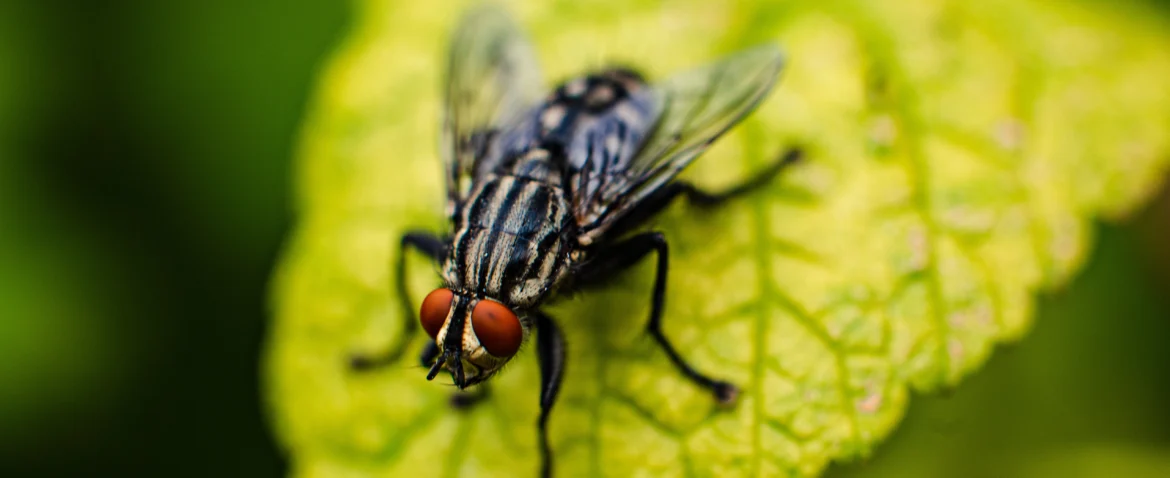
Fly control is about more than knocking down the flies you can see. In many homes and businesses, flies point to a sanitation issue, moisture source, exterior entry point, drain buildup, organic debris, or another breeding condition that needs to be corrected for longer-lasting relief. At Ace Walco Pest Control, we provide New Jersey fly control services with a practical, inspection-first approach built around your property, the type of fly activity present, and the conditions that are allowing the problem to continue.
Since 1936, we have helped New Jersey homeowners and businesses handle pest problems that change by season, structure type, and location. Flies can become especially frustrating around kitchens, trash areas, drains, patios, livestock-adjacent properties, restaurants, offices, and commercial facilities where sanitation and customer comfort matter. Our team looks for the source, explains what we find, and recommends a customized plan instead of relying on a one-size-fits-all treatment.
Whether you are seeing flies around windows, garbage cans, floor drains, food prep areas, or exterior doors, we can help you take the next step with confidence. If you are looking for a fly exterminator who can look beyond the visible flies, our team can help identify what is attracting them and what needs to be corrected. We also connect fly concerns to related pest issues when needed, including residential pest control, commercial pest control , restaurant pest control, and year-round pest protection plans.
A few flies can happen almost anywhere, especially during warmer months, but repeated activity usually means there is a source that needs attention. You may need professional help if flies keep appearing after cleaning, gather around the same drains or windows, show up near trash areas, or return shortly after DIY sprays or traps are used.
Flies around food prep areas, customer-facing spaces, offices, break rooms, dumpsters, bathrooms, basements, or exterior entry doors should be taken seriously. In restaurants and commercial buildings, ongoing fly activity can affect sanitation standards, employee comfort, customer confidence, and overall facility appearance. In homes, persistent flies can make kitchens, bathrooms, and outdoor living spaces feel uncomfortable even when the property is otherwise well-kept.
Professional fly control can also help when the source is not obvious. For example, drain flies may point to organic matter inside a drain line, while larger flies may indicate a dead rodent, animal-related material, or exterior waste source. If we see signs of connected pest issues, we may recommend related support such as rodent control, cockroach control, or pantry pest control when those services are relevant to the inspection findings.
The cost of fly control depends on the type of fly, the size and layout of the property, the source of the infestation, the level of activity, and whether the service is for a home, restaurant, commercial kitchen, office, retail property, warehouse, or multi-unit building. A simple residential concern may require a different plan than a recurring commercial fly issue tied to drains, dumpsters, entry doors, or sanitation schedules.
We provide recommendations after we understand the conditions on your property. In many cases, that starts with a free inspection so we can identify what is happening and explain the best path forward. Our goal is to give you a clear plan, not a generic quote that misses the real source of the problem.
Ace Walco Pest Control is family-owned and has served New Jersey property owners since 1936. That history matters because effective pest control is local. Flies do not behave the same way in every property, and the right solution depends on local weather, building design, sanitation patterns, nearby exterior conditions, and how people use the space day to day.
Our team brings long-standing field experience to fly control and related pest issues. We understand how quickly flies can become frustrating and how important it is to identify the reason these pests are active. We use that experience to create practical treatment plans for homes, businesses, restaurants, and facilities that need dependable support.
We serve communities across Central and North Jersey, as well as Staten Island. Our local branch structure helps us stay responsive while giving customers access to a team that understands regional pest problems. Whether you are near our Wayne branch, Princeton branch, Randolph branch, Neptune branch, or another New Jersey service area, we can help you find the right next step.
We believe pest control should feel clear and manageable. Our technicians explain what is found, why it matters, and how the recommended service supports longer-term prevention. We also help customers understand the practical steps that support treatment, such as sanitation improvements, drain maintenance, exclusion repairs, waste handling, and recurring protection when needed.
Our process begins with a careful inspection. We evaluate the areas where flies are being seen, look for likely breeding or entry sources, and identify conditions that may be contributing to the issue. This may include drains, trash areas, exterior doors, windows, dumpsters, storage spaces, kitchens, basements, utility rooms, outdoor seating areas, or other problem zones.
After the inspection, we explain what we found and recommend a customized fly control plan. Depending on the situation, that may include targeted treatment, fly monitoring, source reduction, exclusion recommendations, sanitation guidance, drain-focused recommendations, or ongoing service. We also help customers understand what can be done between visits to reduce the chance of recurring fly activity.
The goal is not just to reduce the visible flies for the moment. We want to help protect your property, your comfort, and your peace of mind with a plan that addresses why flies are there in the first place.
If flies are becoming a problem in your home or business, we are ready to help. Ace Walco Pest Control can inspect the issue, identify the likely source, and recommend a fly control plan tailored to your property. Contact our local team to schedule a free inspection, request service, or ask about ongoing pest protection for your home or business.
A sudden increase in flies usually means there is a food source, moisture source, entry point, or breeding site nearby.
In New Jersey homes, we often see fly activity connected to open trash, food residue, pet waste, overripe produce, recycling, damp organic buildup, or doors and windows that allow flies inside. Different fly species can point us toward different sources, so identification matters before treatment begins.
Our fly control in New Jersey starts with an inspection of the areas where activity is strongest. We may check kitchens, drains, trash cans, basements, utility rooms, windows, exterior doors, garages, patios, and nearby outdoor areas. If the flies are appearing around food storage or pantry areas, we may also consider whether a pantry pest problem is contributing to the activity.
At Ace Walco Pest Control, we focus on why the flies are present, not only on the adults you can see. Once we identify likely breeding and entry conditions, we can recommend targeted treatment, sanitation improvements, exclusion steps, monitoring, or ongoing pest protection based on the property.
Flies are commonly attracted to food odors, decaying organic matter, moisture, garbage, animal waste, sugary liquids, grease, and other materials these pests can use for feeding or breeding.
Indoors, trouble spots can include kitchen trash, recycling containers, floor drains, garbage disposals, forgotten produce, spills under equipment, wet mops, and organic buildup in hard-to-clean areas. Outdoors, dumpsters, compost, pet waste, standing organic debris, and poorly sealed trash containers can contribute to repeated activity.
We also look at how flies are getting inside. Open doors, damaged screens, gaps around windows, loading areas, and frequent deliveries can create opportunities for flies to enter homes, restaurants, offices, warehouses, and other facilities. This is one reason commercial pest control often combines sanitation, exclusion, monitoring, and treatment instead of relying on sprays alone.
If flies keep returning after cleaning, we recommend an inspection. The visible flies may be gathering in one area while the actual source is somewhere else. Finding that source is usually the most important step toward lasting control.
Drain flies and fruit flies are both small, but drain flies are usually associated with damp drains and plumbing areas, while fruit flies are more often found around produce, sugary liquids, food scraps, and fermenting material.
Drain flies are often noticed around sinks, floor drains, showers, or other damp plumbing areas, resting on nearby walls, and can be linked to organic buildup inside drains. Fruit flies are more likely to gather around overripe produce, sweet liquids, recycling, food scraps, bar areas, or fermenting material.
Correct identification is important because treating the wrong source can allow the problem to continue. A small fly around a sink is not automatically a drain fly, and a small fly in a kitchen is not always a fruit fly. We look at where the flies are active, what the flies look like, and which conditions are present before recommending treatment.
For homes, our residential pest control approach may include source reduction, drain or sanitation recommendations, targeted treatment, and monitoring. For restaurants and other food-service settings, our restaurant pest control work can also address the operational conditions that allow small flies to keep breeding around drains, bars, kitchens, and waste areas.
Yes. Drain flies and some other small flies can breed in organic material that builds up inside drains and other damp areas.
Drain flies are especially associated with the film that can develop along the inside of drain lines, but other small flies may also be found near plumbing when food residue, moisture, or organic debris is present. Simply pouring a household cleaner into a drain may not remove the material that is supporting the activity.
When we inspect a fly problem, we look at the drains where flies are being seen as well as nearby plumbing, floor drains, mop sinks, utility areas, and other moist locations. In commercial kitchens, bars, restaurants, and multi-use facilities, we may also evaluate cleaning routines, equipment edges, waste handling, and areas where liquids can collect.
Our goal is to match the recommendation to the actual source. Depending on what we find, we may recommend drain-focused sanitation, targeted treatment, monitoring, source removal, or other corrective steps. If the activity is part of a broader sanitation or pest issue, we can also connect the plan with related commercial pest control services.
Cleaning is important, but recurring flies can mean the breeding source has not been fully removed or the insects are continuing to enter from outside.
A kitchen can look clean while organic buildup remains inside a drain, beneath an appliance, under a trash liner, around recycling, or in another hidden area. Outdoors, dumpsters, pet waste, compost, decaying vegetation, and other materials can also keep fly presence high near the structure.
We also consider whether another pest issue may be the source. Larger flies, for example, can sometimes be associated with animal-related material or a dead rodent in a wall, attic, crawl space, or other concealed location. In that situation, rodent control or removal of the source may be part of the solution rather than treating flies alone.
When flies return after repeated cleaning or DIY trapping, we recommend looking beyond the visible activity. We inspect likely breeding sites, entry points, moisture conditions, sanitation patterns, and surrounding areas so the treatment plan addresses the cause as well as the flies you are seeing.
Professional fly control starts with identifying the fly, locating breeding or entry sources, and determining which conditions are allowing the activity to continue.
We determine where flies are active, what type of fly is likely involved, and which conditions may be supporting the problem. That can include drains, garbage areas, dumpsters, kitchens, food storage, exterior doors, windows, basements, utility rooms, patios, loading areas, and other locations where flies can feed, breed, or enter.
After the inspection, we build a customized plan around the property. Depending on the findings, that may include targeted treatments, baiting, trapping or monitoring devices, source reduction, sanitation guidance, exclusion recommendations, drain-focused corrective steps, or recurring service. We do not use the same approach for every property because a fruit fly problem in a bar requires a different response than house flies entering a residence through an exterior door.
Ace Walco Pest Control has served New Jersey property owners since 1936. Our approach combines local experience with practical prevention, so we can explain what we found, what we recommend, and what you can do between visits to help reduce recurring fly activity.
Professional fly control can be worthwhile when flies are persistent, increasing, affecting food areas, or returning after cleaning and store-bought traps.
DIY products may catch or kill adult flies, but do not always identify or correct the breeding material, moisture source, sanitation issue, or exterior entry point that is allowing the problem to continue.
The value of a professional inspection is that we look for the source. In a home, that might mean checking drains, trash areas, produce storage, windows, basements, or a hidden source connected to another pest problem. In a business, it may include dumpsters, loading doors, floor drains, bar areas, food-prep spaces, recycling, or sanitation routines. Once the cause is clearer, we can recommend a targeted plan rather than asking you to keep treating visible flies.
If the property experiences recurring pests beyond flies, a year-round pest protection plan may also make sense. We can help you compare a one-time fly service with ongoing protection based on the pest issue, property type, and goals you have for prevention.
The cost of fly control in New Jersey depends on the type of fly, the size and layout of the property, the level of activity, the breeding source, and whether the issue is residential or commercial.
A small fly problem tied to one kitchen drain may require a different level of service than widespread house fly activity around a restaurant, warehouse, dumpster area, or multi-unit property.
Treatment needs can also affect cost. Some situations may call for a focused one-time service, while others benefit from monitoring, sanitation corrections, exclusion work, drain-focused recommendations, follow-up visits, or recurring pest management. Because the source matters so much with flies, giving a generic price without seeing the property can miss the conditions that are actually driving the infestation.
We recommend scheduling a free inspection so we can identify the likely source and explain the options that fit your situation. From there, our team can provide a clear recommendation and discuss whether a targeted fly treatment or ongoing pest protection is the better fit for your home or business.
Yes. We provide fly control for restaurants, bars, offices, retail locations, warehouses, property-managed buildings, and other commercial facilities across our service area.
Commercial fly problems can be especially disruptive because these pests can affect sanitation, employee comfort, customer confidence, and the appearance of the facility.
Our commercial fly inspections may include kitchens, bar areas, drains, waste and recycling zones, dumpsters, loading areas, exterior doors, storage rooms, food-prep spaces, break rooms, bathrooms, and other areas where flies can enter or breed. We then recommend a plan based on the type of business and the conditions we find. That may include monitoring, targeted treatments, sanitation recommendations, exclusion, drain-focused corrective steps, or recurring service.
Our restaurant pest control programs are designed around the realities of food-service operations, where small flies around drains and bars can require close attention to breeding sources. For other facilities, our commercial pest control services can be customized around operating schedules, pest history, sanitation needs, and the level of documentation or ongoing support the property requires.
Fly prevention starts with reducing the food, moisture, organic material, and entry points that allow flies to thrive.
We recommend keeping indoor and outdoor trash containers closed, cleaning spills promptly, rinsing recyclables, storing produce properly, removing pet waste, and paying attention to drains and damp cleaning equipment. In businesses, consistent sanitation around floor drains, food-prep areas, dumpsters, recycling, loading zones, and equipment can make a major difference.
Exclusion matters too. Repair damaged screens, keep doors closed when possible, and address gaps around windows or other openings where flies may enter. If activity is seasonal, outdoor conditions near the building can also increase presence even when the interior is well maintained.
Prevention works best when it is tied to the specific fly and the conditions on your property. We can inspect the problem, explain what is contributing to it, and recommend practical changes along with treatment when needed. Contact our local team to schedule a free inspection and get a fly control plan tailored to your New Jersey or Staten Island home or business.
Receive interesting pest stories and deals.
© Copyright 2026 by Ace Walco.
